

EN
EN
International Advisory Council
This advisory body of international experts advises the university to strengthen its academic quality, internationalization, and global reach.

International Advisory Council
This advisory body of international experts advises the university to strengthen its academic quality, internationalization, and global reach.
International Advisory Council
This advisory body of international experts advises the university to strengthen its academic quality, internationalization, and global reach.
Roberto Artavia, Ph.D.
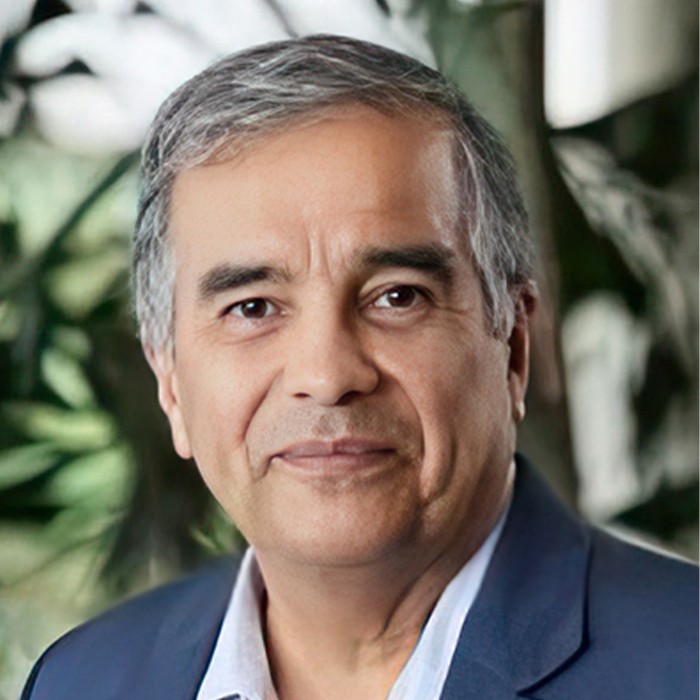
Doctorate from Harvard Business School; MBA from INCAE Business School. He was Rector of INCAE Business School, Founding Director of the Latin American Center for Competitiveness and Sustainable Development (CLACDS); and in the past he was director of CINDE, Costa Rica's investment promotion agency. He was Founder and Vice President of the Social Progress Imperative, the organization that publishes the Social Progress Index worldwide. He is currently President of Viva Trust, President of Viva Idea, President of the Board of INCAE Business School, President of Fundación Marviva, Vice President of Social Progress Imperative, among others.
Roberto Artavia, Ph.D.
Doctorate from Harvard Business School; MBA from INCAE Business School. He was Rector of INCAE Business School, Founding Director of the Latin American Center for Competitiveness and Sustainable Development (CLACDS); and in the past he was director of CINDE, Costa Rica's investment promotion agency. He was Founder and Vice President of the Social Progress Imperative, the organization that publishes the Social Progress Index worldwide. He is currently President of Viva Trust, President of Viva Idea, President of the Board of INCAE Business School, President of Fundación Marviva, Vice President of Social Progress Imperative, among others.
Mónica Capra, Ph.D.
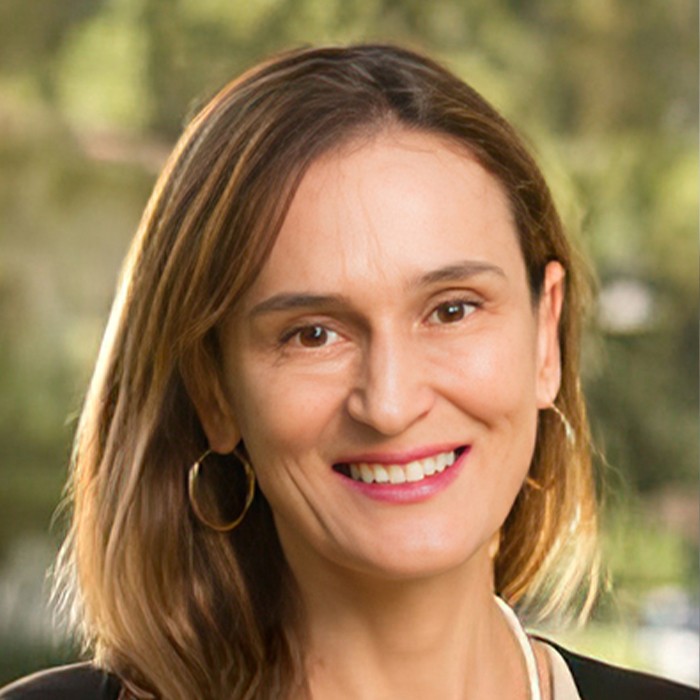
Professor in the Department of Economics at Claremont Graduate University. Her areas of specialization are experimental economics, behavioral economics, and neuroeconomics. Her area of interest is decision-making processes. Her contributions to behavioral game theory include the explicit modeling of introspection with error and the study of the effects of mood on decisions.
Mónica Capra, Ph.D.
Professor in the Department of Economics at Claremont Graduate University. Her areas of specialization are experimental economics, behavioral economics, and neuroeconomics. Her area of interest is decision-making processes. Her contributions to behavioral game theory include the explicit modeling of introspection with error and the study of the effects of mood on decisions.
Eduardo Gamarra, Ph.D.
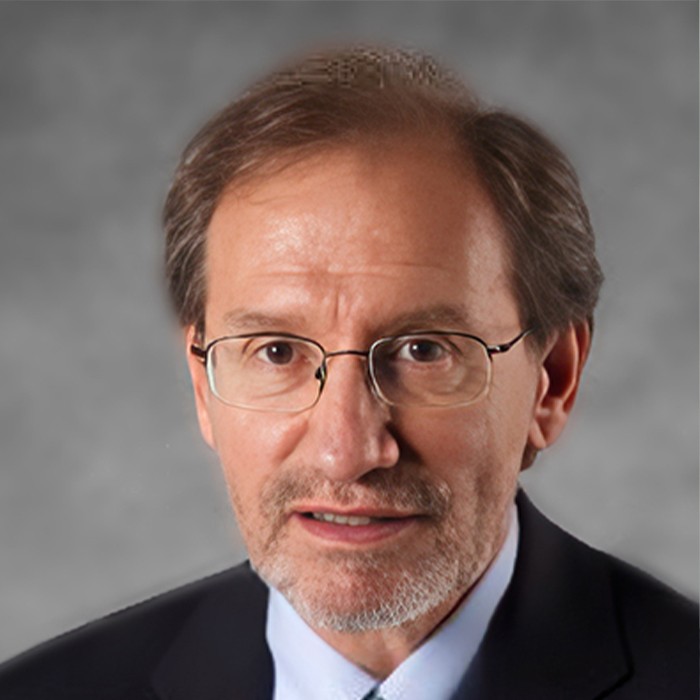
He has a Ph.D. in Political Science from the University of Pittsburgh. His areas of specialization include Latin American politics, democratization, and neopopulism. He served as director of the Center for Latin America and the Caribbean at Florida International University, and as a consultant for other multilateral agencies such as the World Bank, the United Nations Development Programme, the Inter-American Development Bank, the Organization of American States, and the European Union. He is frequently invited as an analyst on the international network CNN.
Eduardo Gamarra, Ph.D.
He has a Ph.D. in Political Science from the University of Pittsburgh. His areas of specialization include Latin American politics, democratization, and neopopulism. He served as director of the Center for Latin America and the Caribbean at Florida International University, and as a consultant for other multilateral agencies such as the World Bank, the United Nations Development Programme, the Inter-American Development Bank, the Organization of American States, and the European Union. He is frequently invited as an analyst on the international network CNN.
George Gray Molina, Ph.D.
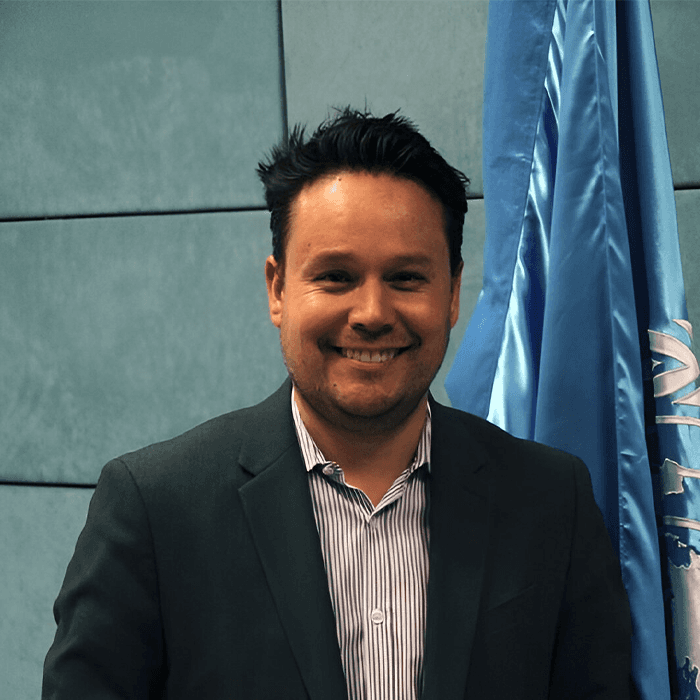
He earned a bachelor's degree in economics and anthropology from Cornell University, a master's degree in Public Policy from Harvard University, and a Doctorate in Politics from the University of Oxford. Economic adviser to the Regional Office for Latin America and the Caribbean of the United Nations Development Programme (UNDP). Economic adviser to the Regional Office for Latin America and the Caribbean of the United Nations Development Programme (UNDP), with a long track record in research on poverty, inequality, and public policy reforms.
George Gray Molina, Ph.D.
He earned a bachelor's degree in economics and anthropology from Cornell University, a master's degree in Public Policy from Harvard University, and a Doctorate in Politics from the University of Oxford. Economic adviser to the Regional Office for Latin America and the Caribbean of the United Nations Development Programme (UNDP). Economic adviser to the Regional Office for Latin America and the Caribbean of the United Nations Development Programme (UNDP), with a long track record in research on poverty, inequality, and public policy reforms.
Luis Paz Galindo, Ph.D.
Doctorate in Technology, Management, and Policy with an emphasis in economic energy from the Massachusets Institute of Technology. He is a partner and founder of Blue Road Capital, a private equity firm focused on investments in the agricultural sector. Before founding Blue Road in 2014, he was Investment Manager of Ospraie's Special Opportunities Fund, from 2006 to 2013, focused on investments in the agricultural sector and energy sectors. He was an associate with JP Morgan Partners' Mergers & Acquisition Group.
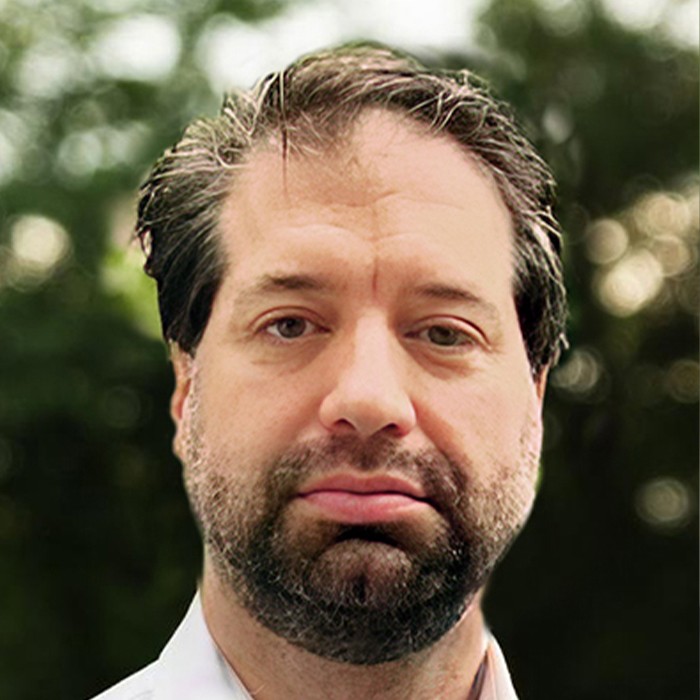
Luis Paz Galindo, Ph.D.
Doctorate in Technology, Management, and Policy with an emphasis in economic energy from the Massachusets Institute of Technology. He is a partner and founder of Blue Road Capital, a private equity firm focused on investments in the agricultural sector. Before founding Blue Road in 2014, he was Investment Manager of Ospraie's Special Opportunities Fund, from 2006 to 2013, focused on investments in the agricultural sector and energy sectors. He was an associate with JP Morgan Partners' Mergers & Acquisition Group.
Pedro Parada, Ph.D.
He is an Associate Professor in the Department of Business Policy at ESADE and currently serves as Academic Co-Director and Professor of the Global Executive MBA offered jointly with Georgetown University. He is also a visiting professor at HEC School of Management in Paris and SDA Bocconi in Milan. In addition, he has coordinated and taught courses within the International Electives offered at Babson College. He holds the degrees of Ph.D. in Management, Master in Public Policy and Management, and a Bachelor's degree in Economics.
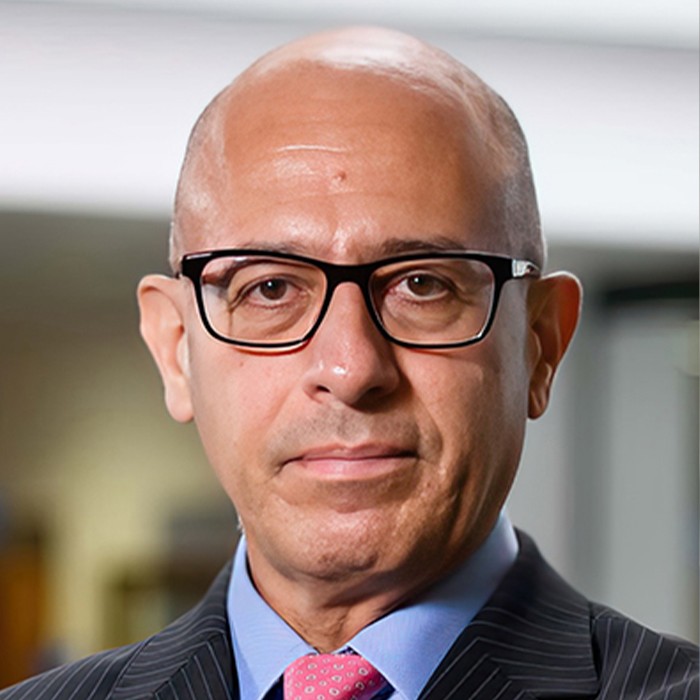
Pedro Parada, Ph.D.
He is an Associate Professor in the Department of Business Policy at ESADE and currently serves as Academic Co-Director and Professor of the Global Executive MBA offered jointly with Georgetown University. He is also a visiting professor at HEC School of Management in Paris and SDA Bocconi in Milan. In addition, he has coordinated and taught courses within the International Electives offered at Babson College. He holds the degrees of Ph.D. in Management, Master in Public Policy and Management, and a Bachelor's degree in Economics.
Miguel Urquiola, Ph.D.
He is Dean of the Department of Economics and a professor in the School of Public and International Affairs at Columbia University. At the same university, he directs the Committee on the Economics of Education. He is also an associate researcher at the National Bureau of Economic Research (NBER). His research focuses on the analysis of educational markets, especially on how universities compete and how they build reputations for quality.
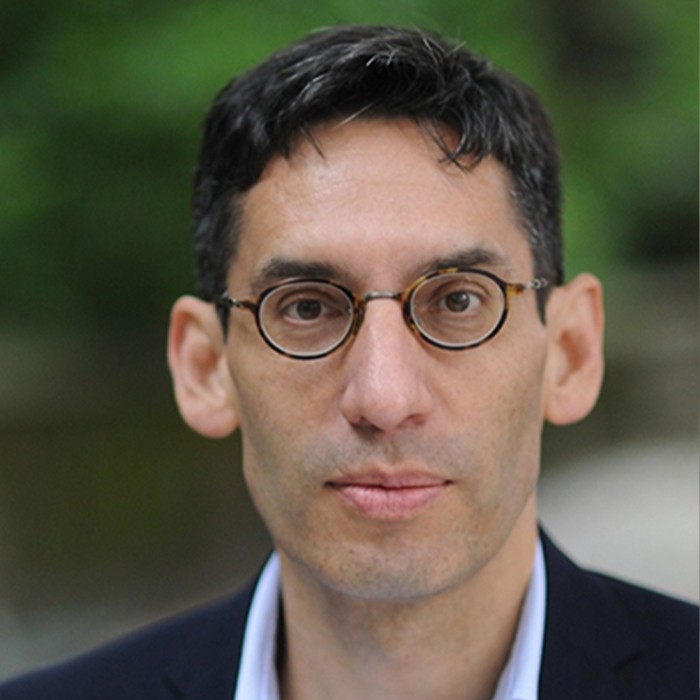
Miguel Urquiola, Ph.D.
He is Dean of the Department of Economics and a professor in the School of Public and International Affairs at Columbia University. At the same university, he directs the Committee on the Economics of Education. He is also an associate researcher at the National Bureau of Economic Research (NBER). His research focuses on the analysis of educational markets, especially on how universities compete and how they build reputations for quality.
Mgr. Rodrigo Navarro
Graduated from the Massachusetts Institute of Technology (MIT), where he earned a Bachelor of Science in Engineering (BSc), a Master of Science in Engineering (MSc), and an MBA, training that strengthened his analytical approach and global vision. He has extensive experience in launching and scaling startups in the healthcare and data technology sectors, designing and executing business models that integrate industry, innovation, and technology. He has built a career linked to entrepreneurship and high-impact environments, adding strategic value as an executive, advisor, and board member in organizations with transformative potential.
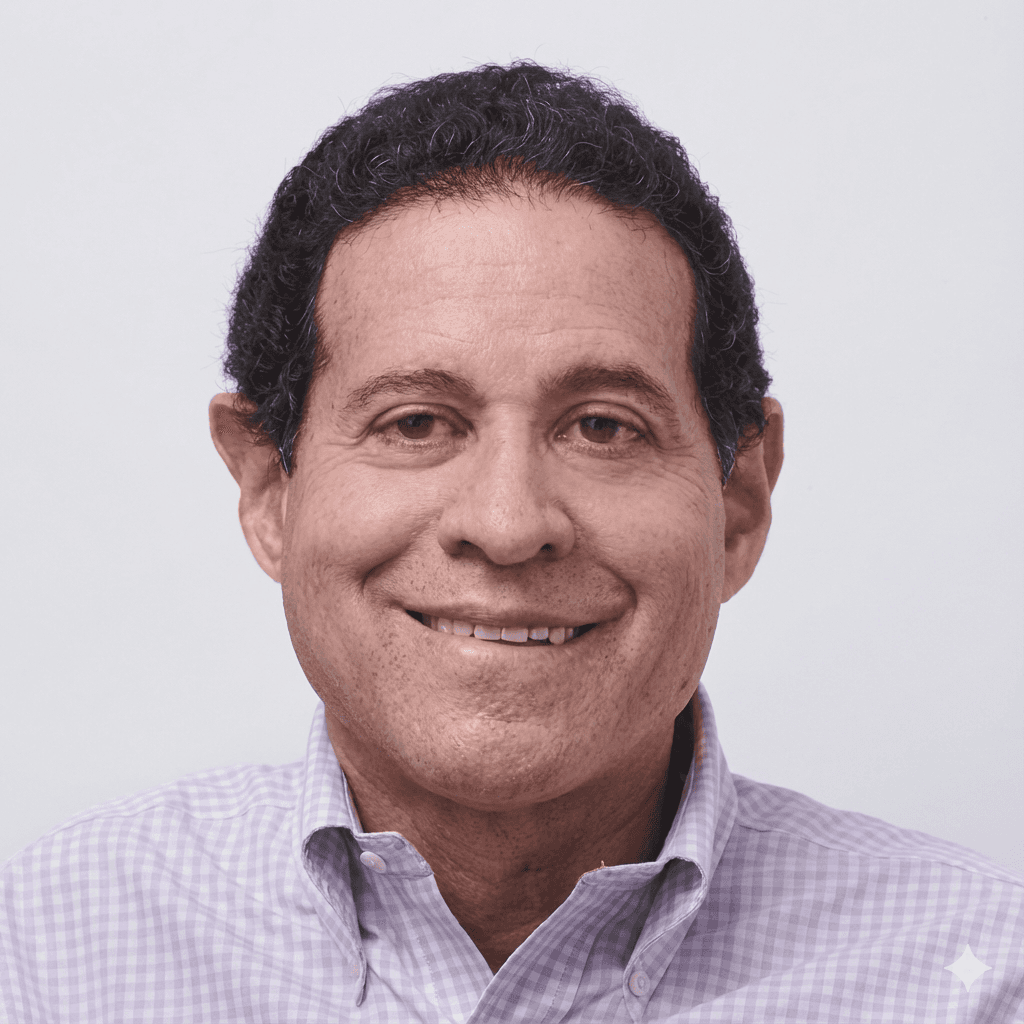
Mgr. Rodrigo Navarro
Graduated from the Massachusetts Institute of Technology (MIT), where he earned a Bachelor of Science in Engineering (BSc), a Master of Science in Engineering (MSc), and an MBA, training that strengthened his analytical approach and global vision. He has extensive experience in launching and scaling startups in the healthcare and data technology sectors, designing and executing business models that integrate industry, innovation, and technology. He has built a career linked to entrepreneurship and high-impact environments, adding strategic value as an executive, advisor, and board member in organizations with transformative potential.
The top private university in Bolivia
The prestige of UPB is supported by international rankings and accreditations.





The top private university in Bolivia
The prestige of UPB is supported by international rankings and accreditations.
The top private university in Bolivia
The prestige of UPB is supported by international rankings and accreditations.